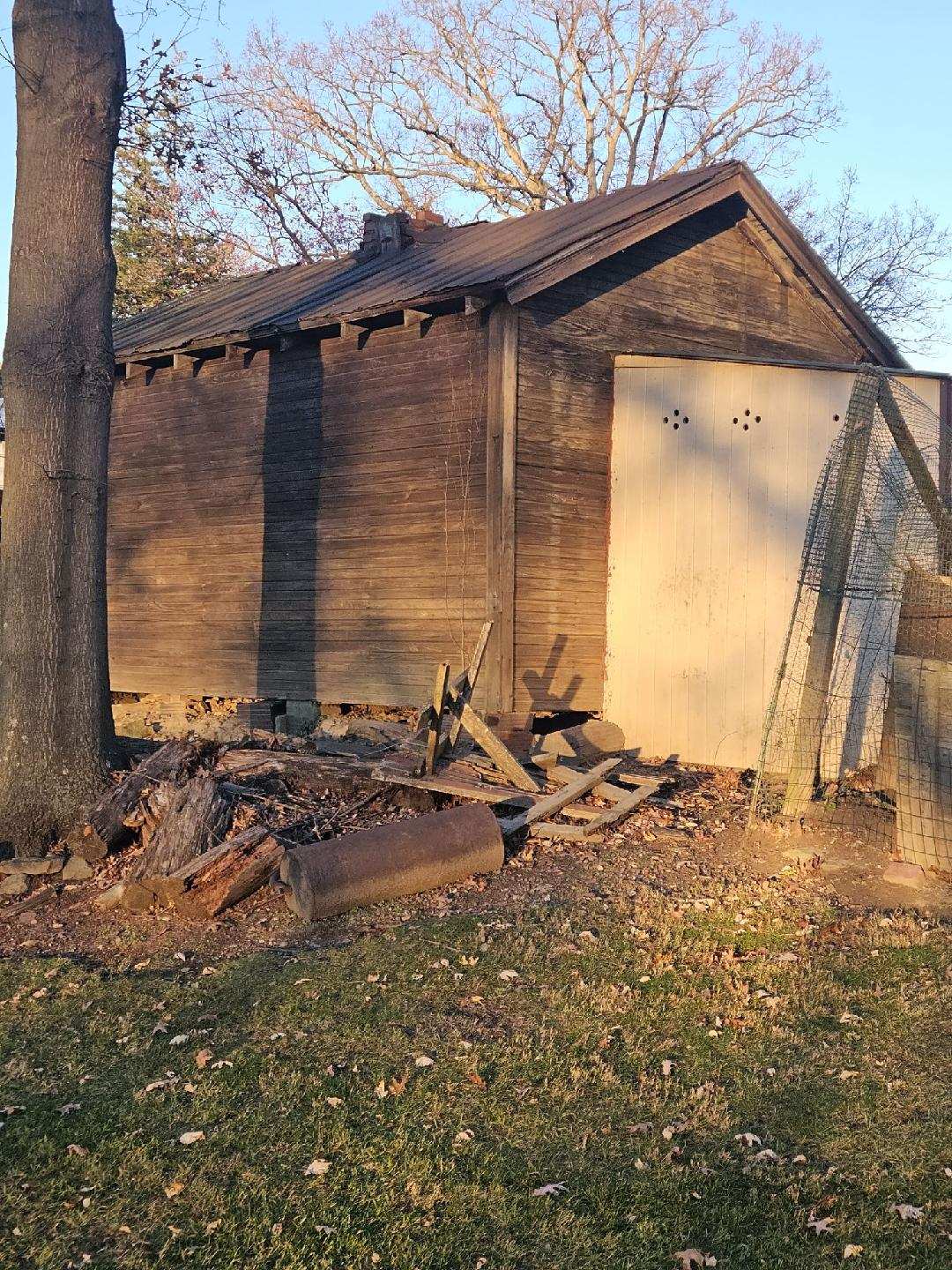
Kenosha's transition from agricultural heritage to mixed residential and waterfront development means many properties still have older barn structures that no longer fit current land use. The city's lakeshore location brings freeze-thaw cycles and moisture that accelerate structural deterioration—barns in neighborhoods like Southport and Green Island become safety concerns faster than properties inland. Property developers clearing land for new construction, estate administrators managing inherited farm properties, and homeowners preparing for sale all face the same reality: deteriorating barns block progress and create liability until professionally removed.
The Kenosha History Center documents the city's agricultural past, but that heritage doesn't prevent structures from failing. Lakefront neighborhoods and older residential areas throughout the city contain aging barn structures on properties worth far more as cleared land. Wisconsin Department of Natural Resources regulations require proper handling of any hazardous materials in deteriorated buildings, and disposal documentation is essential for property transfers. Kenosha's property tax assessment and development permitting process, managed through Kenosha County Planning & Development, moves faster when deteriorating structures are removed and sites are cleared.
Whether your barn sits in Southport, Green Island, or the expanding suburban areas, professional removal prepares your property for its next use.