Specialized Sailboat Removal & Disposal
Sailboat Removal Services
Sailboats requiring mast handling, keel considerations, rigging removal – Clean Out Network handles complete sailboat removal with the specialized knowledge sailing vessels require. We remove sailboats from land or coordinate marine recovery, and provide release of liability documentation.
Licensed & Insured | Sailing Vessel Experience | Nationwide Service
———— What We Remove ————
What Sailboat Removal Includes
All Sailboat Types
Day sailors, weekenders, cruisers, racers, catamarans, trimarans, motorsailers. Monohulls and multihulls. All sailing vessel configurations.
Mast Handling
Proper removal using mast-stepping systems when accessible. Cutting masts for removal when stepping isn’t viable. Securing masts alongside hulls for transport when whole-unit removal is possible.
Rigging Removal
Standing rigging – shrouds, stays, turnbuckles, chainplates. Running rigging – halyards, sheets, control lines. Proper removal preventing damage during transport.
Keel Considerations
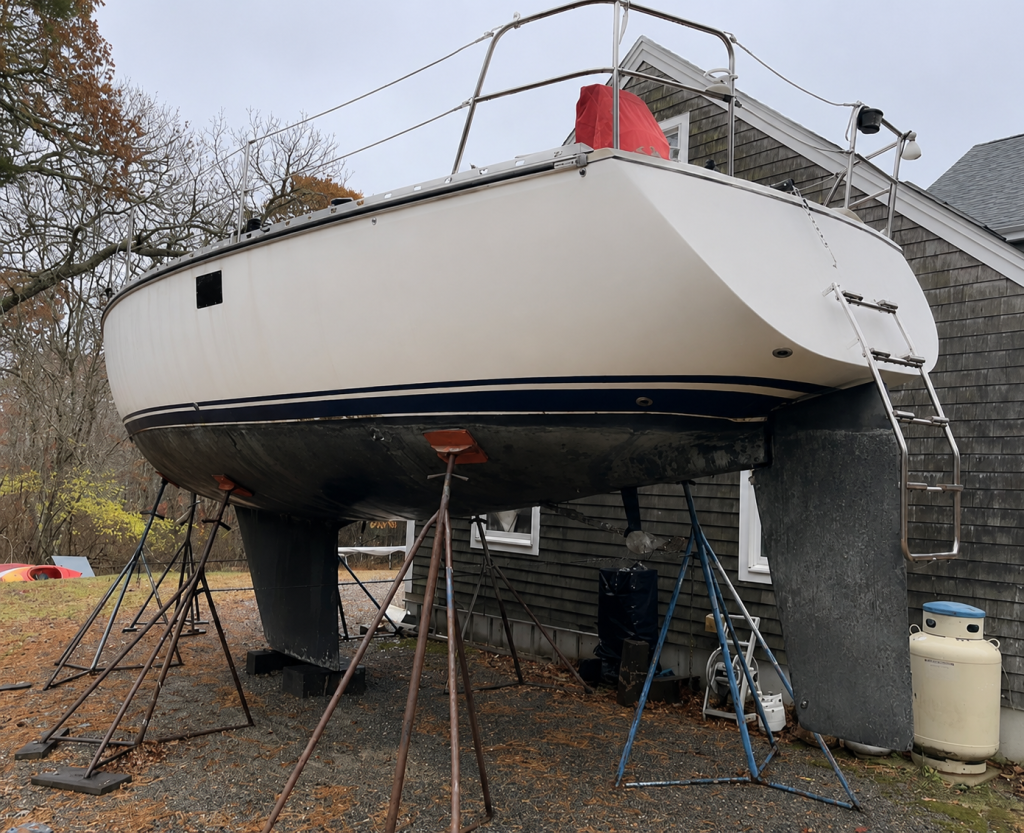
Working around fin keels, full keels, wing keels, shoal-draft keels, centerboards, daggerboards. Understanding keel types affecting lifting and transport.
Sail & Canvas Removal
Removing sails, dodgers, biminis, sail covers, canvas work. Proper handling of sail inventories.
Hardware Removal
Winches, blocks, cleats, stanchions, lifelines. Removing or securing hardware preventing loss during transport.
Boats on Land
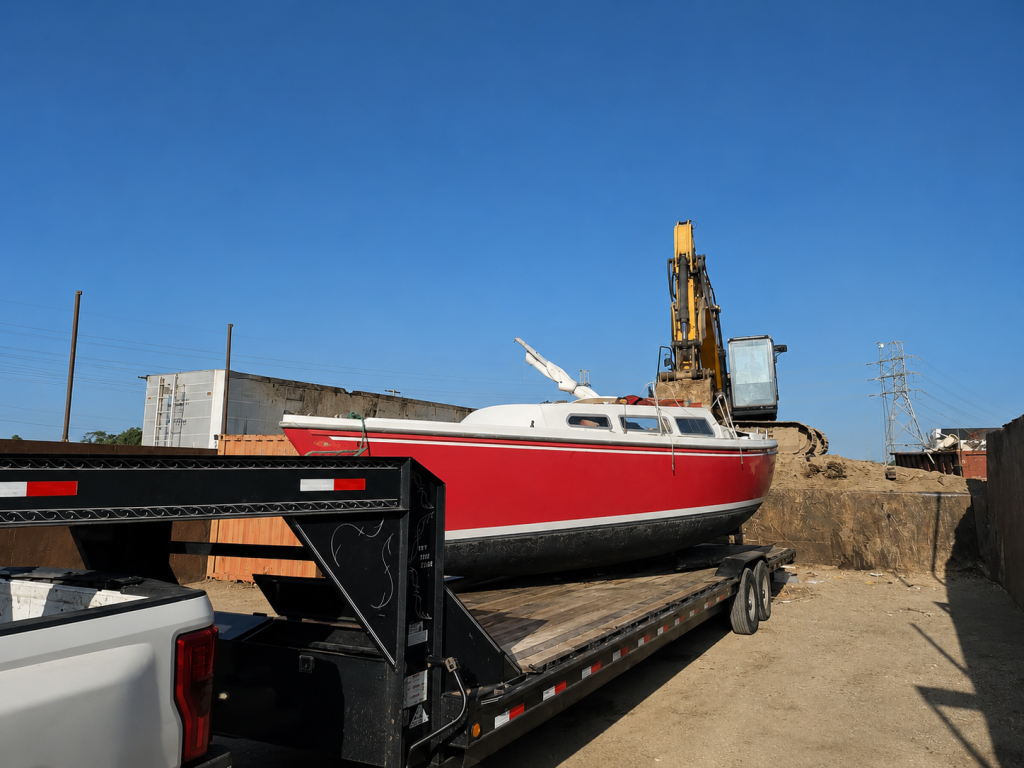
Direct removal of boats on jack stands, cradles, trailers. Loading for transport to disposal facilities.
Marine Recovery
Coordination of marine towing for boats in water. Salvage operations for partially submerged or sunken vessels.
All sailboat components – hull, deck, mast, rigging, sails, hardware – properly disposed at approved facilities.
Liability Documentation
Written release of liability protecting you from future claims about vessel ownership or abandonment.
Service Areas
Clean Out Network serves the continental United States for sailboat removal services. Sailing vessel removal nationwide including marine recovery coordination.
Full-Service Removal Company
Sailboats Present Unique Removal Challenges
Masts reaching 30-50 feet require careful handling and specialized equipment. Keels extending 4-8 feet below hull create transport challenges standard boat removal doesn’t face. Standing and running rigging needs proper removal to prevent damage during transport. Sailing vessels aren’t just boats – they’re complex structures with specialized systems requiring specific knowledge.
Most removal companies lack sailboat experience. They understand powerboats but have never dealt with mast stepping, keel clearance, or rigging systems.
Clean Out Network has handled sailboat removals for 20+ years throughout the continental United States. Small day sailors and weekenders. Cruising sailboats designed for extended voyaging. Bluewater vessels capable of ocean passages. Racing sailboats with specialized equipment. Boats on land, in water, or partially submerged.
We understand mast removal and stepping systems. Keel considerations affecting transport and lifting. Rigging handling preventing damage to boat and property. Complete removal with proper liability documentation.
Day Sailors (Under 20 feet)
Small sailing dinghies, day sailors, training boats. Relatively simple removal though masts still require handling.
Weekenders (20-25 feet)
Trailerable cruisers with small cabins. Often on trailers but may be in water or storage.
Coastal Cruisers (25-35 feet)
Popular cruising size. Moderate draft keels, cabin accommodations, full rigging systems.
Offshore Cruisers (35-45 feet)
Bluewater capable vessels. Deeper keels, complex systems, substantial rigging requiring experienced handling.
Large Cruisers (45+ feet)
Substantial sailing yachts. Heavy displacement, deep keels, tall rigs. Specialized equipment required for removal.
Racing Sailboats
Performance-oriented vessels. Specialized rigging, carbon fiber masts in some cases, lightweight construction requiring careful handling.
Catamarans & Trimarans
Multihull sailing vessels. Wide beam creating transport challenges. Dual or triple hull configuration.
Classic & Wooden Sailboats
Traditional vessels with wood construction. May have historical value requiring timber salvage coordination.
We quote based on sailboat size:
- Small sailboat (under 25 feet)
- Medium sailboat (25-35 feet)
- Large sailboat (35+ feet)
Pricing depends on vessel length, mast height, keel depth, rigging complexity, location (land/water/submerged), access for equipment.
Mast Stepping (When Possible):
Using boat’s original mast-stepping system. Requires functioning system and stable vessel position.
Cutting Masts:
When stepping isn’t viable or vessel is deteriorated. Cutting masts in sections for removal and disposal.
Securing Alongside:
For whole-unit transport, securing masts alongside hull. Requires careful tie-down preventing damage.
Approach depends on vessel condition, access, and removal method.
Marina Abandonment
Sailboats left at marinas creating lien situations. Legal removal with proper documentation releasing liability.
Inherited Vessels
Sailing yachts inherited with estates. Nobody in family has sailing experience or wants maintenance responsibility.
Failed Sales
Sailboats listed for months or years with no buyers. Owners needing vessels removed regardless of sale outcome.
Storm Damage
Hurricane damage, sinking, mast failures, structural damage from severe weather. Vessels totaled requiring removal.
Deterioration Beyond Repair
Years of neglect creating vessels not worth restoring. Removal more economical than bringing boats back to sailable condition.
Property Sales
Removing sailboats from waterfront properties before listing. Vessels affecting property value or complicating transactions.
Storage Yard Situations
Boats abandoned in storage yards. Facilities needing removal for space or lien resolution.
Project Boats Gone Wrong
Restoration projects abandoned when scope and cost exceeded expectations. Partially dismantled vessels requiring removal.
Fin Keels:
Deep, narrow keels common on modern boats. Create ground clearance challenges during transport.
Full Keels:
Traditional long keels attached along hull length. More stable on land but heavy and long.
Wing Keels:
Horizontal wings at keel bottom. Affect lifting and blocking requirements.
Centerboards/Daggerboards:
Retractable keels. May be stuck down requiring attention before transport.
Understanding keel type affects how we lift, block, and transport vessels.

Vessel Assessment
Evaluating sailboat type, length, beam, draft, mast height, keel configuration, rigging complexity, current location.
#1
Mast Planning
Determining mast removal approach - stepping using boat's system, cutting for removal, or securing alongside for transport.
#2
Rigging Evaluation
Understanding standing and running rigging requiring removal or securing before transport.
#3
Recovery Coordination
For boats in water, arranging marine towing. For sunken vessels, coordinating salvage operations.
#4
Keel Clearance
Planning transport considering keel depth. Addressing lifting and trailer requirements for deep-keel vessels.
#5
Removal Execution & Disposal
Mast removal, rigging handling, vessel extraction from land or water, loading for transport. Taking sailboats to facilities accepting marine vessels. Proper processing of fiberglass, wood, metal components. Complete documentation package including release of liability, disposal records, and photos. Most sailboat removals take 2-4 days. Large vessels or marine recovery situations may require longer.
#6
———— Different by Design ————
Why Choose Our Sailboat Removal
Sailing Vessel Experience
Understanding mast systems, keel configurations, rigging complexity. Not treating sailboats like powerboats with sticks attached.
Mast Handling Expertise
Knowledge of mast-stepping systems, shroud and stay removal, preventing damage during mast removal.
Keel Consideration
Experience with fin keels, full keels, wing keels, centerboards. Understanding how keel type affects lifting and transport.
Marine Recovery Coordination
Network of marine towing and salvage services for vessels in water or submerged.
Nationwide Service
Clean Out Network serves the continental United States. Professional sailboat removal wherever your vessel is located.
Liability Documentation
Written release protecting from future claims. Critical for marina situations, storage yards, or legal complications.
Ready to Remove
Your Sailboat?
Whether your sailboat is on land, in water, or partially submerged, Clean Out Network handles complete sailboat removal with the specialized knowledge sailing vessels require and the documentation marine disposal demands.
Sailboat Removal Specialists | Licensed & Insured | Sailing Vessel Experience | Nationwide Service
Frequently Asked Questions
Questions About Sailboat Removal
Sailboats in Water:
Coordinating marine towing bringing vessels to accessible locations for loading and transport.
Partially Submerged:
Arranging flotation and recovery services. Bringing vessels to surface and accessible locations.
Sunken Sailboats:
Coordinating marine salvage operations. Recovery from bottom, transport for disposal.
Marine recovery adds time and cost but we handle all coordination with salvage services.
Fiberglass Hulls:
Disposed at facilities accepting large fiberglass materials. Recycling options limited given mixed construction.
Aluminum Masts:
Separated and taken to scrap metal recycling facilities.
Stainless Steel Rigging:
Wire rigging, turnbuckles, hardware recycled as scrap metal.
Wooden Components:
Traditional boats or wood trim disposed at construction debris facilities.
Sails:
Dacron, mylar, or laminate sails disposed as waste. Recycling options limited.
We maximize metal recycling from rigging and hardware.
What Helps:
Remove personal items and valuable equipment you want to keep. Provide vessel documentation if available (not required). Inform us of access restrictions or marina requirements.
What’s NOT Required:
Removing mast or rigging yourself. Draining systems or tanks. Cleaning vessel before removal.
No, but we need proof you have authority to remove vessel (property ownership, executor papers, marina authorization).
Yes, we handle mast removal using stepping systems when functional or cutting when necessary.
We coordinate marine towing bringing vessels to accessible locations for removal.
Boats on land 2-3 days. Marine recovery situations 4-7 days for coordination and execution.
Yes. Release of liability, disposal records, photos. Complete documentation for legal situations.
We remove multihull sailing vessels. Wide beam creates transport considerations affecting pricing.
For classic boats, we can coordinate timber salvage if you want materials preserved or sold.