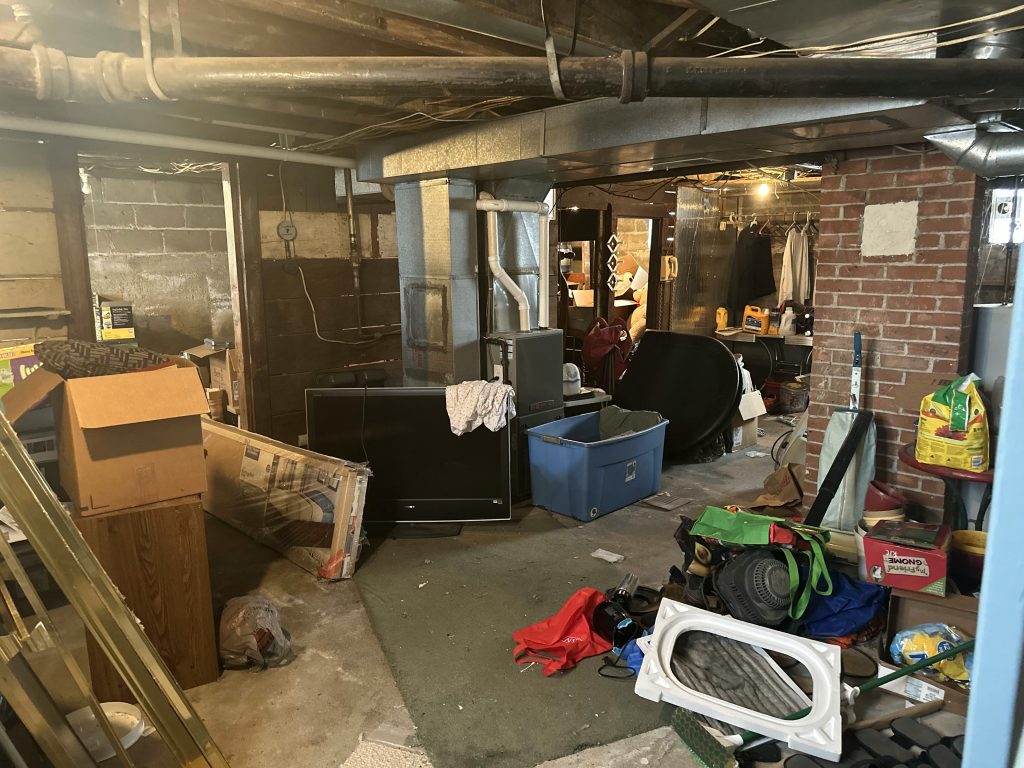
Kenosha's housing stock—from historic downtown properties to established residential neighborhoods like Southport and Old Settlers—often features basements and attics that accumulate decades of contents. The city's lakeside location creates freeze-thaw cycles that damage stored items, and rental market activity means property managers need fast turnover. Families managing longtime family homes or winter residents returning to closed-up properties discover overwhelming clutter that requires professional removal expertise.
Access challenges in older Kenosha neighborhoods—pull-down attic stairs, steep basement steps, tight doorways—make DIY removal impractical. The lakeshore climate affects stored items differently than inland Wisconsin, with moisture concerns more pressing. Local environmental regulations managed through Wisconsin Department of Natural Resources require proper disposal documentation for electronics, appliances, and hazardous items.
Neighborhoods like Lakefront and Benedictine Hill feature mixed housing ages, each with different access challenges. Property managers in Kenosha's rental market know that basement or attic clearing can delay turnover by days, costing rental income when tenants are waiting. Seasonal residents and snowbirds maintaining Kenosha properties often face the shock of accumulated contents when returning after winter away.
The city's historic downtown waterfront area and nearby properties sometimes require permits for large removals. Working with the Kenosha County Planning & Development Division helps navigate local codes, particularly in historic districts.