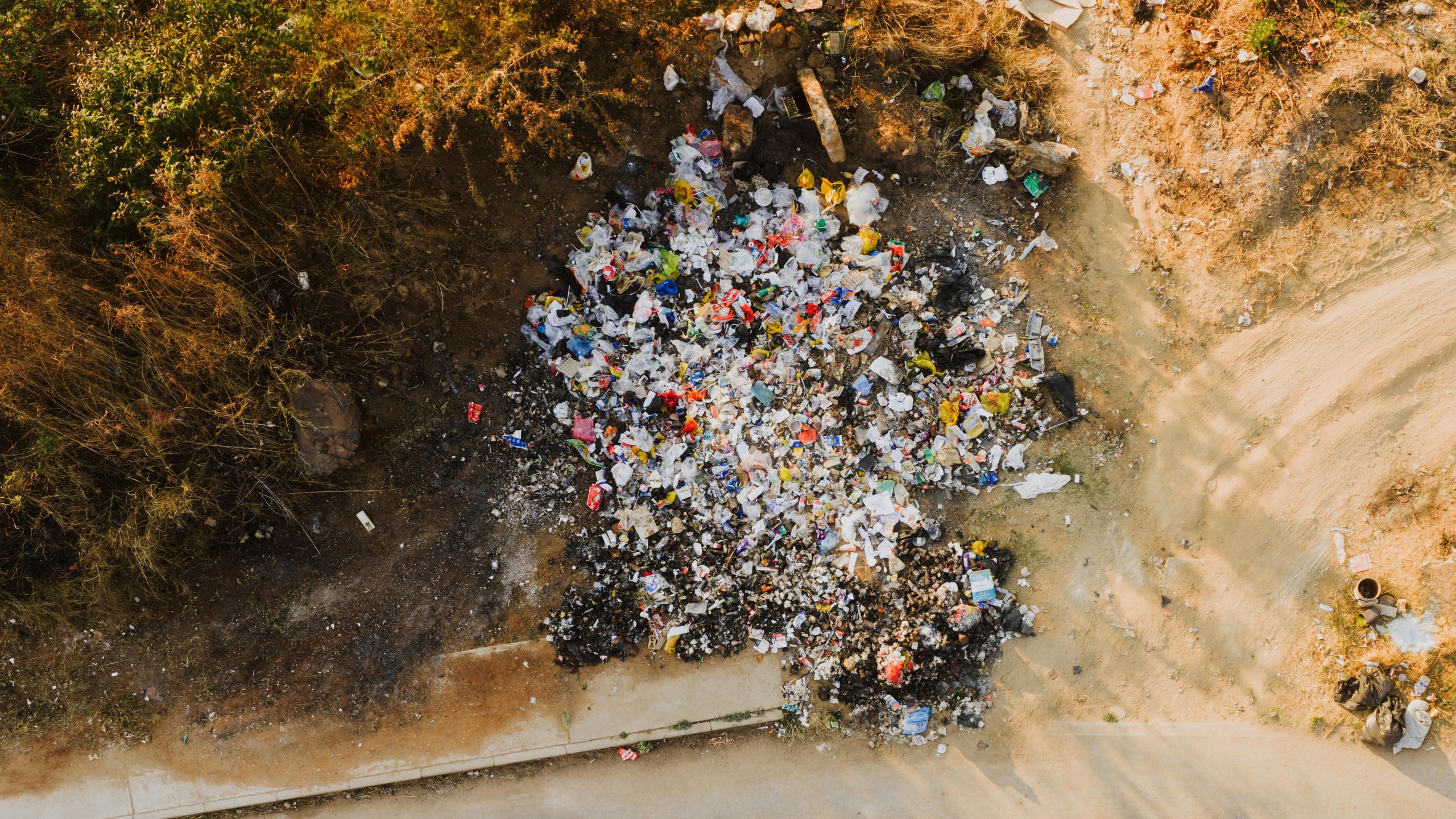
Bradenton sits on Florida's Gulf Coast where salt air, humidity, and seasonal weather shape property challenges. The city's mix of 1970s-1990s homes, waterfront properties, and newer developments means vacant lots range from small residential plots in established neighborhoods to multi-acre commercial sites. Manatee County's environmental regulations require proper waste documentation for coastal properties.
Growth has brought renovation work and property transitions, but also attracts illegal dumping on unmonitored lots. De Soto National Memorial (https://www.nps.gov/deso) anchors local identity, while neighborhoods like South Bradenton, Palma Sola, and Bayshore Gardens feature the residential densities where illegal dumping most affects property values. The Bradenton Beach Pier and City Pier (https://www.ci.bradenton.fl.us) connect residents to waterfront infrastructure—cleanup requirements near sensitive coastal areas require coordination with Manatee County Public Works (https://www.manateecountyfl.gov/departments/public-works).
Seasonal population shifts bring contractor surges and rental property transitions that increase clearing demand. Waiting on cleanup costs you in code violations, diminished property value, and accumulated liability—most lots attract more dumping if left uncleaned. We handle the regulatory coordination and disposal logistics specific to Bradenton's coastal and development landscape.