Professional Boat Removal & Disposal
Boat Removal Services
Powerboats, fishing boats, cabin cruisers – Clean Out Network handles complete boat removal for vessels of all sizes and conditions. We remove boats on land, coordinate marine recovery for boats in water, and provide release of liability documentation protecting you from future claims.
Licensed & Insured | Marine Recovery Coordination | Full Liability Protection
———— What We Remove ————
What Boat Removal Includes
All Boat Types
Powerboats, fishing boats, pontoons, deck boats, cruisers, runabouts, jon boats, ski boats.
Any Condition
Running or not. Fiberglass, aluminum, wood. Damaged, deteriorated, or functional boats.
Boats on Land
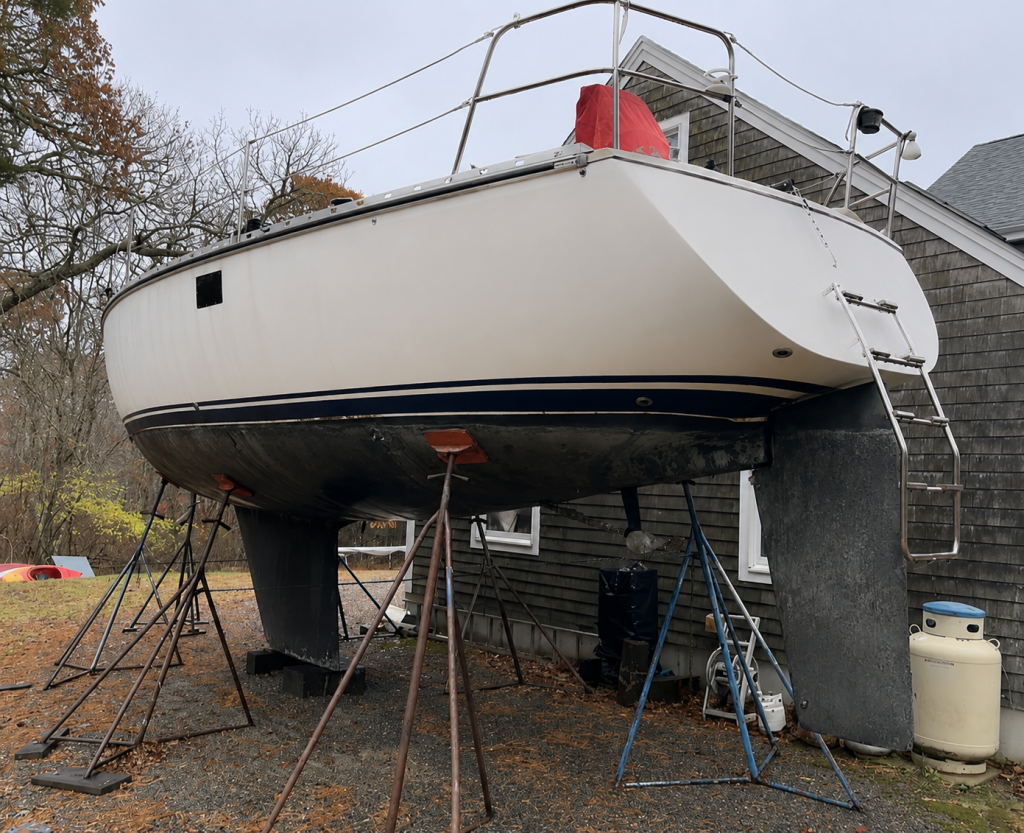
Direct loading and transport for boats already on trailers or stored on property.
Boats in Water
Coordination with marine towing services. Recovery and transport to disposal facilities.
Sunken or Partially Submerged
Marine salvage coordination. Recovery of vessels below waterline before removal.
Trailer Removal
Removing trailers with boats or separately. Complete removal of boat and transport equipment.
Dismantling When Needed
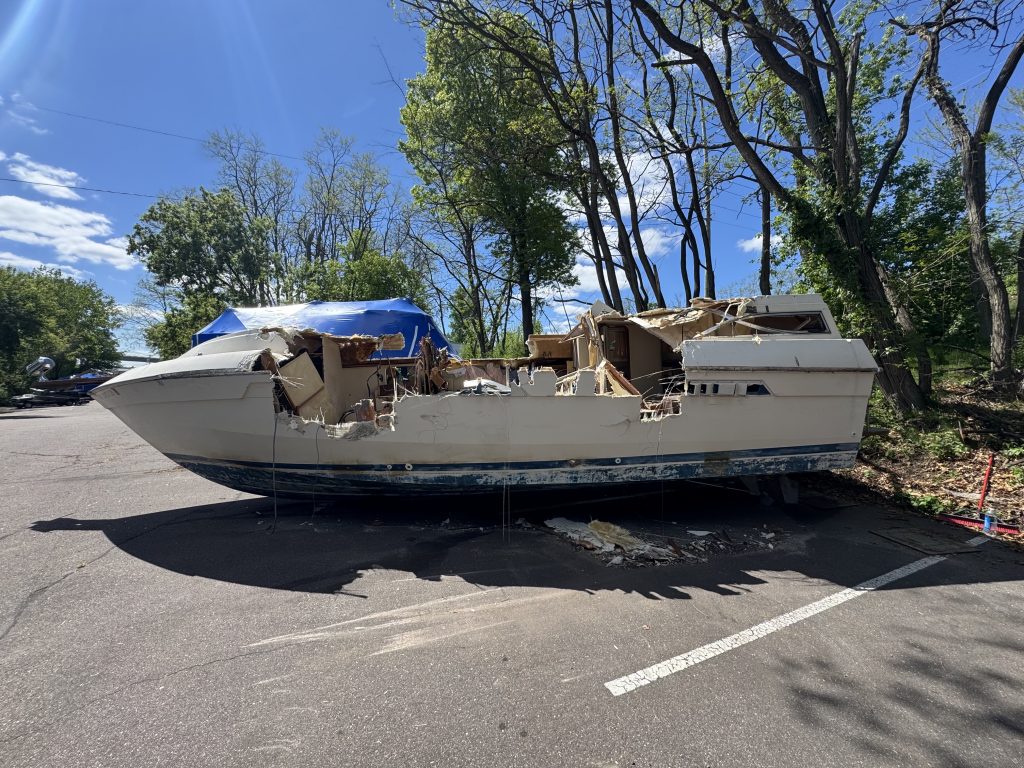
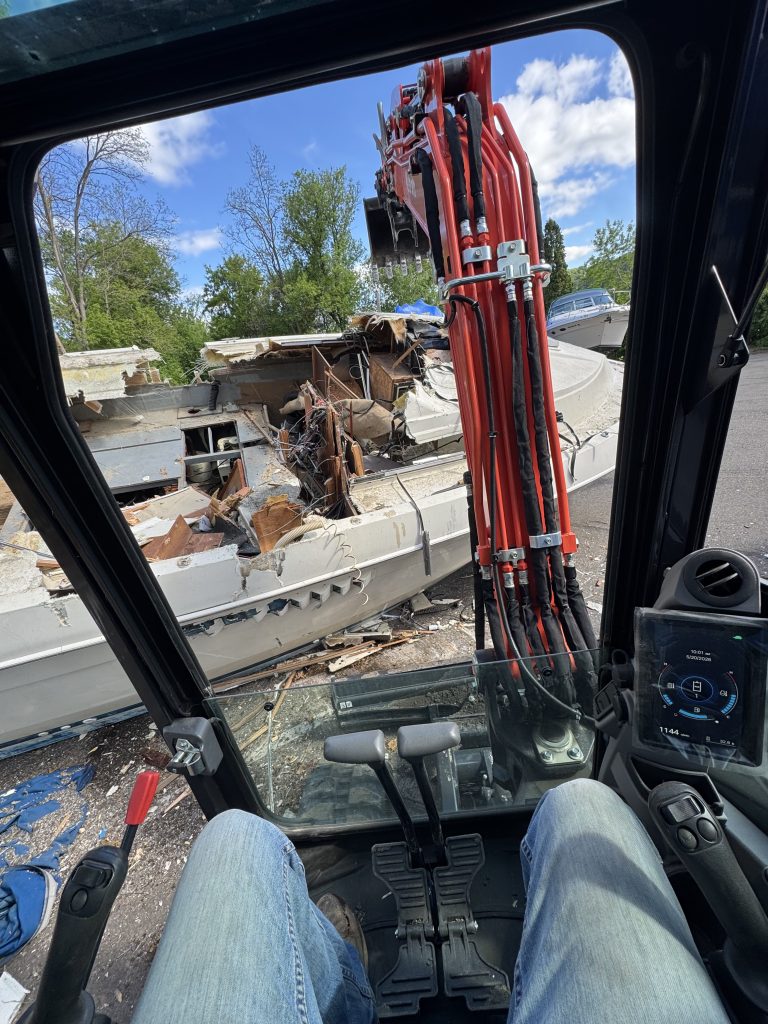
Breaking down large boats on-site when transport isn’t viable. Hauling materials away.
Proper Disposal & Release of Liability
Taking boats to facilities accepting marine vessels. Environmental compliance for all components. Written documentation releasing you from boat ownership legally. Protection from future claims.
Service Areas
Clean Out Network serves the entire continental USA for boat removal services. Vessel removal throughout the country including marine recovery coordination.
Full-Service Removal Company
Boats You Can't Sell Become Problems You Can't Ignore
Storage fees accumulate monthly. Marina liens threaten legal action. Insurance costs stay high. Buyers aren’t interested in boats needing work. The problem compounds the longer it sits.
At some point removal beats the ongoing cost and hassle of ownership.
Clean Out Network has spent 20+ years removing boats throughout the country. Small aluminum fishing boats. Fiberglass runabouts. Cabin cruisers requiring significant work. Boats left behind at marinas. Vessels inherited with properties. Boats in water, on land, or partially submerged.
We handle complete removal – recovery when needed, transport, dismantling, disposal. You get written documentation releasing liability.
Direct Removal (Boats on Land):
Load and transport boats already accessible on land. Fastest and most straightforward.
Marine Towing (Boats in Water):
Coordinate with marine towing services. Bring boats to accessible location then transport.
Salvage & Recovery (Sunken Boats):
Arrange marine salvage. Float vessels, bring to accessible location, then remove.
On-Site Dismantling (Large Boats):
Break down vessels too large for transport. Haul materials in sections.
We quote based on boat size and complexity:
- Small boat (under 18 feet) – Jon boats, small aluminum boats, simple removals
- Medium boat (18-26 feet) – Standard powerboats, pontoons, deck boats
- Large boat (26-35 feet) – Cabin cruisers, larger vessels, complex removals
- Very large/complex – 35+ foot vessels, marine recovery required, extensive dismantling
Pricing depends on boat size, location (land/water/submerged), condition, access, disposal requirements.
Title Issues:
Don’t need clear title. Need proof of authority to remove (property owner, executor, marina authorization, etc.).
Liability Release:
Written agreement releasing you from vessel ownership. Protection from future claims or liens.
Documentation:
Disposal records showing where boat went. Proof of legal removal meeting regulations.
Marina Abandonment
Boats left at marinas creating lien situations. Legal removal with proper documentation.
Inherited Boats
Vessels inherited with estates or properties. Nobody in family wants boat or can handle disposal.
Failed Sales
Boats listed for months with no buyers. Owners needing them gone regardless of sale outcome.
Storm Damage
Hurricane damage, sinking, structural failures. Boats totaled by weather requiring removal.
Property Sales
Removing boats before listing waterfront properties. Vessels affecting property value or complicating sales.
Deterioration Beyond Repair
Years of neglect creating vessels not worth repairing. Removal more economical than restoration.
Code Compliance
Municipal requirements to remove abandoned boats from properties or waterways.
Boats in Water:
Coordinate marine towing bringing vessels to accessible locations for loading and transport.
Partially Submerged:
Arrange flotation and recovery services. Bring to surface and accessible location.
Completely Sunken:
Coordinate marine salvage operations. Recover vessels from bottom, transport for disposal.
Marine recovery adds time and cost but we handle all coordination.
Boat Assessment
Evaluating vessel type, size, condition, current location (land/water/submerged), access.
#1
Recovery Planning & Method Determination
For boats in water, coordinating marine towing. For sunken boats, arranging salvage services. Move intact, dismantle on-site, or coordinate marine recovery. Choosing most efficient approach.
#2
Fluid Management
Draining fuel, oil, bilge water. Environmental compliance before removal.
#3
Removal Execution
Loading boats on land, coordinating marine towing for boats in water, arranging salvage for sunken vessels.
#4
Transport & Disposal
Taking vessels to approved facilities. Proper processing and documentation.
#5
Documentation Delivery
Release of liability, disposal records, photos. Complete documentation package. Most boat removals take 1-3 days. Marine recovery situations may require longer coordination.
#6
———— Different by Design ————
Why Choose Our Boat Removal
Experience With All Vessel Types
Small fishing boats to 40+ foot cruisers. Aluminum, fiberglass, wood construction. We've removed hundreds.
Marine Recovery Coordination
Network of marine towing and salvage services. We coordinate water-based recovery operations.
Liability Documentation
Written release protecting from future claims. Critical for marina situations or legal complications.
Complete Fluid Handling
Proper draining and disposal of fuel, oils, bilge water, coolants.
Environmental Compliance
Boats contain regulated materials. We ensure proper disposal of all components.
Ready to Remove
Your Boat?
Whether your boat is on land, in water, or partially submerged, Clean Out Network handles complete boat removal with the coordination and documentation marine vessel disposal requires.
Boat Removal Specialists | Licensed & Insured | Marine Recovery Coordination | Full Liability Documentation
Frequently Asked Questions
Questions About Boat Removal
No, but need proof of removal authority (property ownership, executor papers, marina authorization).
Yes. We coordinate marine towing and salvage services for water-based recoveries.
We handle partially submerged and sunken vessels. Marine recovery coordinated before removal.
Boats on land 1-2 days. Water or salvage situations 3-7 days for coordination and execution.
Yes. Release of liability, disposal records, photos. Complete documentation for legal situations.
Dismantled at approved facilities. Metals recycled. Fiberglass and other materials disposed properly.